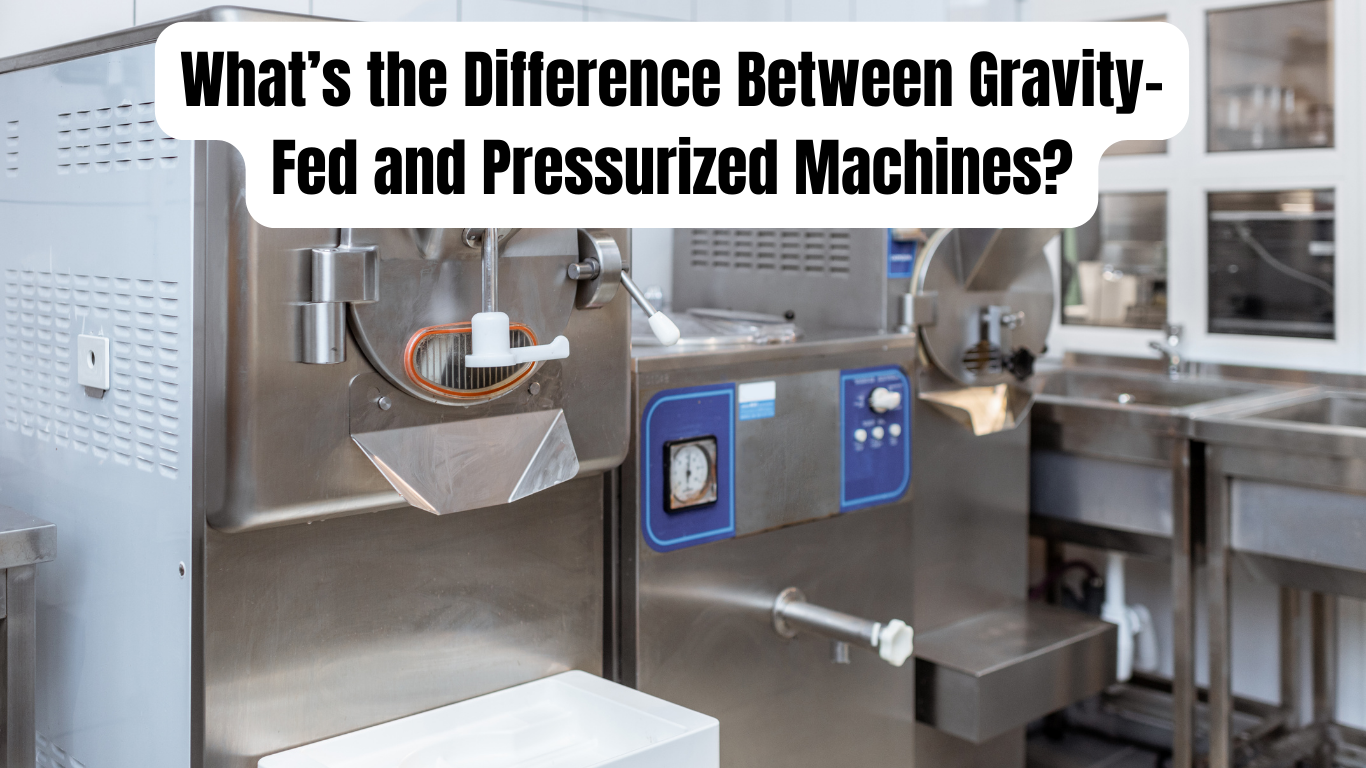
Operating a soft-serve business means choosing equipment that fits your demand, product style, and budget. Understanding how a gravity-fed machine differs from a pressurized (pump-fed) machine can shape your offerings, your costs, and your potential profits. Below, we’ll break down how each type works, where each shines, and how to pick the right one for your café, food truck, or dessert shop.
How gravity-fed and pressurized machines work
A gravity-fed machine pulls mix from the hopper into the freezing cylinder by natural gravity. The liquid mix flows downward, air passively flows in, and the freezing cylinder churns and freezes the mix to create soft serve. This simple mechanism means fewer moving parts, easier cleaning, and straightforward operation — which often appeals to smaller shops or businesses with modest soft-serve volume.
On the other hand, a pressurized or pump-fed system actively draws mix and air under pressure into the freezing cylinder. A pump mechanism forces the mix and air combination into the cylinder, allowing tighter control over how much air enters (the “overrun”), leading to a consistent texture, a lighter product, and greater volume output.
That difference in how mix and air are delivered — passive vs. pressurized — cascades into differences in yield, texture, consistency, maintenance, and suitability depending on your business needs.
Texture, overrun and yield — how product differs
One of the biggest contrasts between gravity-fed and pressurized machines is how air (overrun) is incorporated into your soft serve. Overrun — the percentage increase in volume due to air — influences whether your soft serve is dense and creamy or light and airy.
- Gravity-fed machines typically result in lower overrun, producing a denser, richer soft serve with more intense flavor and weight — ideal for customers who like a premium, creamy mouth-feel, or for businesses that serve by weight.
- Pressurized machines allow a higher and more consistent overrun — meaning more servings per gallon of mix, and a lighter, smoother, fluffier product that holds up well to scoops, cones, or cups.
For businesses where maximizing yield and serving lots of customers through peak hours matters, pressurized machines tend to deliver more value per gallon of mix. For shops prioritizing texture, richness, or a gourmet feel, gravity-fed machines deliver a dense, premium product.
If you want to compare equipment based on texture and yield, explore our soft serve equipment options for a closer look.
Cost, maintenance, and operational complexity
Because gravity-fed machines are mechanically simpler — fewer moving parts, no pump to maintain — they tend to have lower upfront cost, simpler maintenance, and easier cleaning, making them a good entry-level or backup choice. Their simpler design reduces the risk of mechanical problems, minimizes downtime, and can fit a business where soft-serve is a secondary offering.
Pressurized machines, however, come with higher initial investment and more complex maintenance. The pumps, seals, and hoses require regular care, cleaning, and occasionally replacement. For a busy shop, this maintenance load can be justified by savings on mix costs, increased yield, and consistency. But for a small or seasonal operation, the complexity and expenses might outweigh gains if volume is low.
Operationally, gravity-fed machines tend to be easier for less-experienced staff to operate, with fewer calibration settings and simpler clean-up. Pressurized systems require more training, careful cleaning, and calibration to maintain overrun and product consistency.
Which machine fits your business model
Here’s a simple way to match machine type to business needs:
- Gravity-fed machines are well suited for:
- Small cafés, convenience stores, seasonal stands, or businesses with low-to-moderate soft-serve volume
- Operations prioritizing a dense, rich texture or heavy, high-weight servings
- Lower upfront costs and simpler maintenance needs
- Shops where soft serve is a secondary menu item or occasional add-on
- Pressurized (pump-fed) machines are ideal for:
- Ice-cream shops, dessert parlors, food trucks, high-traffic venues, or any business with high soft-serve demand
- Operations needing consistent portion size, high yield, and efficient service during busy hours
- Situations where maximizing mix yield — thus profitability per gallon — matters
- Those who want lighter, airier, fluffier soft serve, or want to offer a variety of textures (e.g. yogurt-style, custard-ish, etc.)
To see how these machines fit into broader menus, view our range of frozen beverage machines to complement your soft-serve service.
Making the decision: what matters most for you
When selecting between gravity-fed and pressurized systems, think about your volume, operational capacity, desired product style, and long-term goals. If you run a small café with modest ice-cream sales, gravity-fed offers simplicity and reliability without over-committing resources. If you’re running a stand-alone soft-serve shop or an ice-cream-focused business with high customer flow, a pressurized machine’s yield, consistency, and volume advantages often pay off — even with higher maintenance needs.
Your decision should reflect whether you prioritize cost-efficiency and ease or volume, speed, and consistency. For many businesses, the difference in texture and serving volume can affect brand perception and profit margins significantly.
If you’d like help choosing the best option for your operation, our service and support team is ready to assist with guidance and product matching.
For a helpful breakdown, check out this guide to soft serve machine types.
If you’re looking for guidance on choosing the right soft-serve equipment for your business — or support in sourcing, installing, and maintaining a machine — Frostex Refrigeration can help you navigate all the options and choose what fits your goals perfectly.